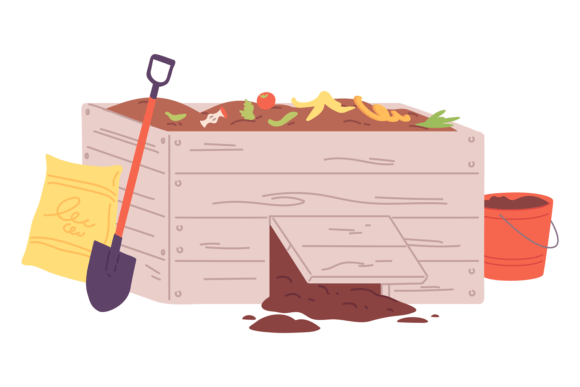
Organic Waste Pile in Wooden Box Color I
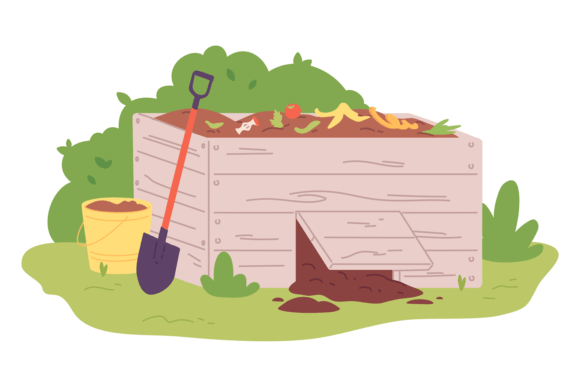
Let’s be real: not every “eco-friendly” icon translates well to thread and fabric. As someone who’s stitched thousands of designs—from boutique baby onesies to Etsy best-selling tote bags—I opened Organic Waste Pile in Wooden Box Color I expecting charm, but braced for embroidery pitfalls. What I found wasn’t just a cute illustration—it was a quietly thoughtful design with real project legs.
A First Impression That Feels Like a Conversation Starter
At first glance, Organic Waste Pile in Wooden Box Color I reads as warm, grounded, and gently humorous—not preachy, not clinical. The wooden box has soft grain texture implied through subtle shading; the pile inside (think coffee grounds, citrus peels, wilted herbs) isn’t chaotic or messy, but intentionally layered and dimensional. It’s an Illustration, yes—but one drawn with embroidery in mind: clear silhouette edges, no micro-detail in shadows, and generous negative space around the box. That breathing room? Critical when you’re hooping cotton twill for an apron or stabilizing jersey for a sweatshirt.
Where This Design Actually Shines in Real Embroidery
I tested Organic Waste Pile in Wooden Box Color I across three real projects: a linen tea towel for a local zero-waste café, a set of organic-cotton baby burp cloths, and a limited-run embroidered patch for a composting workshop. Here’s where it earned its keep:
- Tote bags & aprons: The box shape anchors the design beautifully on wide, flat surfaces—no awkward stretching or distortion. Satin stitch works well for the wood grain, and fill stitch holds up cleanly in the waste pile without looking muddy.
- Baby embroidery: On soft, low-thread-count cotton, the design retained clarity even at 3.5" wide. No tiny stems or fine lines that vanish under stitching—just honest, friendly scale.
- Embroidered patches: Because the outline is clean and self-contained, it presses flat and borders cleanly. No stray threads catching on velcro or iron-on backing.
- Holiday or wedding gifts: Surprisingly versatile—paired with linen napkins or burlap pillow covers, it signals intentionality without being heavy-handed. Customers notice it. They *ask* about it.
Where to Pause—and Plan Ahead
This isn’t a one-size-fits-all machine embroidery design. Its strengths are also its boundaries. Use it thoughtfully in these cases:
- Small hoop sizes (under 4"): The pile’s layering loses nuance below ~3". If you’re embroidering caps or curved pockets, simplify or resize strategically.
- Textured or stretchy fabrics: On terry cloth or ribbed knit, stitch density matters. Run a test on scrap first—dense fill areas can pucker if stabilizer isn’t matched to fabric weight.
- Dark or heavily patterned backgrounds: Since it’s delivered as a Graphics file with transparent PNG option, you control background color—but remember: thread contrast is non-negotiable. A light olive pile won’t pop on forest-green fabric unless you adjust thread colors deliberately.
- Frequently washed items (like kitchen towels): Avoid overly dense satin-stitched wood grain if wash durability is top priority. A balanced mix of satin + fill + running stitch holds up better long-term.
What It Adds to Your Handmade Product—Beyond the Stitch
Here’s what surprised me: how much Organic Waste Pile in Wooden Box Color I elevates perceived value—not because it’s flashy, but because it feels *considered*. When stitched onto a handmade ceramic mug sleeve or a linen market bag, it tells a quiet story: care for materials, respect for process, attention to detail. That builds customer trust faster than any tagline.
For Etsy sellers and small shop owners, it’s a rare asset—a design that supports brand consistency *without* locking you into a single aesthetic. Pair it with neutral thread palettes (oat, charcoal, moss) for earthy cohesion—or go bold with mustard or rust for seasonal listings. It works in printable mockups too: the clean isolation means crisp digital previews, whether you’re showing it on a sweatshirt mockup or a nursery decor bundle.
Practical Notes from the Hoop
If you’re pulling Organic Waste Pile in Wooden Box Color I into your next embroidery project, here’s what I’d do before stitching the first piece:
- Test on scrap fabric *with your exact stabilizer and thread combo*—especially if using rayon or metallics.
- Check stitch density in the pile area. Too dense? Reduce fill angle or add a slight underlay.
- Confirm hoop size compatibility—some versions may include multiple sizes; choose the one matching your garment placement (e.g., 4x4 for front-of-tote, 5x7 for back-of-sweatshirt).
- Inspect small corners: the box’s base edge should stay crisp, not feathered. If it blurs in your test, tweak tension or needle size.
- View it in black-and-white mockups—this reveals contrast issues invisible on screen.
- Compare how it reads on both light and dark fabric swatches. Thread color choice changes everything.
- Verify licensing terms before selling finished items or bundling the digital embroidery file—this is an Illustration, not pre-digitized embroidery, so digitizing for commercial use requires clarity on rights.
In short: Organic Waste Pile in Wooden Box Color I isn’t just another icon. It’s a design that respects the craft—both yours and your customer’s. It fits naturally into sustainable branding, thoughtful gifting, and everyday handmade products. Just treat it like the capable, grounded, quietly expressive asset it is—not as filler, but as intention made visible, one stitch at a time.