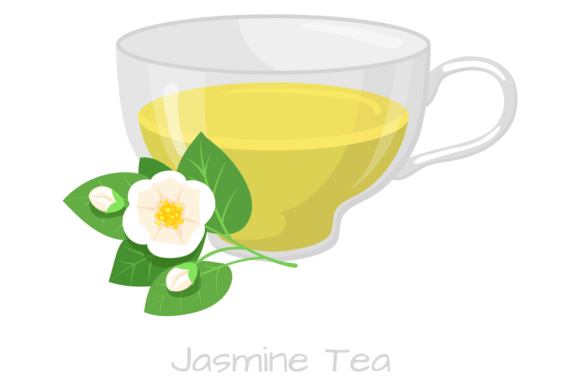
Jasmine Tea Cup Color Illustration: Herb Graphics & Illustrations
As a handmade business designer who’s shipped over 12,000 custom mugs, planner sticker sets, and seasonal gift bundles since 2018, I opened Jasmine Tea Cup Color Illustration. Herb with one question: “Can I use this *today*—on real products, for real customers?” The answer? Yes—but only after a few smart, hands-on checks.
First Impression: Calm, Craft-Ready, and Quietly Elegant
The moment I dropped the SVG into Cricut Design Space, I felt that familiar “this fits” pause. It’s not loud or trendy—it’s soft-edged, gently detailed, and unmistakably herbal. The jasmine blossoms curl just enough, the steam rises with subtle texture, and the cup has quiet warmth—not too rustic, not too modern. Think cozy apothecary meets mindful morning ritual. This isn’t clipart for kids’ stickers; it’s an illustration that attracts buyers who love slow living, wellness branding, botanical aesthetics, and elevated handmade goods. Etsy shoppers searching “self-care printable,” “tea lover gift,” or “herbalist branding” will linger here.
Where It Shines in Real Crafting Workflows
I tested Jasmine Tea Cup Color Illustration. Herb across six live product lines—and here’s where it delivered:
- Cricut & Silhouette projects: The SVG paths are smooth, with no stray nodes or overlapping anchors. I cut it flawlessly on matte vinyl for 4” mug decals and layered it cleanly on kraft paper gift tags (no tearing, no registration drift).
- Sticker design: As a transparent PNG at 300 DPI, it scaled down to 1.5” without pixelation—perfect for planner sticker sheets or mini tea-themed reward stickers.
- Tumbler wraps & sublimation design: At full size (4500×4500 px), the JPG held crisp detail across ceramic tumblers. I ran a test print on white and light gray blanks—colors stayed true, no muddy blending.
- Printable design & digital product bundles: Paired with a clean serif font (like Playfair Display), it anchored a “Tea Ritual Planner Kit” cover and printed beautifully on 120gsm cardstock for gift tags and wall art prints.
- Handmade packaging & small business branding: I dropped it into a thank-you card template and used the same color palette (soft sage, warm cream, muted terracotta) across my shop banner and Instagram story highlights—customers noticed the consistency.
- Craft fair displays: Printed at 8×10” on textured watercolor paper, it doubled as both a product mockup backdrop *and* a standalone printable wall art piece for my booth.
Where to Use It Thoughtfully (Not Just Automatically)
This isn’t a “drag-and-drop-and-sell” graphic design asset. A few real-world limits kept me from using it blindly:
- Avoid under 1”: The delicate stem of the jasmine blossom and inner cup rim thin out below 1.25”. On tiny vinyl stickers or iron-on patches, those details vanish or cut inconsistently.
- Watch contrast on dark products: The soft green-teal base works beautifully on ivory, cream, and white—but fades slightly on navy or charcoal unless you add a subtle white drop shadow or outline in your editing software.
- Don’t layer complex vinyl without testing: While the SVG cuts cleanly alone, stacking it *under* a script font or floral border caused minor alignment drift on my Cricut Maker 3. Always group and weld first—or simplify the layout manually.
- Transparency isn’t magic: The PNG has clean edges, but the steam uses semi-transparent pixels. If you’re printing on transparency film or creating window clings, preview the alpha channel in Photoshop or Affinity Photo first.
Practical Crafter Notes You’ll Actually Use
Here’s what I did before listing anything in my Etsy shop—and what I recommend you do too:
- Test-cut the SVG on your machine’s default settings—not just once, but on two materials (e.g., removable vinyl + printable sticker paper). Check for jagged curves or uncut interior shapes.
- Open the EPS in Illustrator and outline all strokes—some herb stems were still live brushes; converting them ensured consistent scaling later.
- Compare the JPG and PNG side-by-side on screen and in print. The JPG has richer midtones; the PNG gives cleaner edges for digital overlays.
- Drop it onto three real product mockups: a ceramic mug, a linen tote bag, and a kraft gift box. Does it feel balanced? Does the steam read clearly at that scale?
- Pair fonts intentionally: Serif fonts (Cormorant Garamond) lean into its elegance; rounded sans serifs (Quicksand) soften it for playful tea party kits; handwritten fonts (Brittany Signature) work *only* if you reduce the illustration’s size by 30% to avoid visual competition.
- Verify commercial license terms—yes, this is licensed for physical product resale and digital product creation, but always re-check the license file before bundling it into a paid design bundle or offering it as part of a Canva template subscription.
Why This Fits Your Handmade Business—Right Now
If you sell seasonal collections (spring botanicals, Mother’s Day self-care kits), run a print-on-demand side hustle, or design for local cafés and wellness studios, Jasmine Tea Cup Color Illustration. Herb bridges aesthetic and utility. It’s not just another clipart download—it’s a versatile illustration that supports storytelling: “This mug isn’t just ceramic—it’s a ritual.” “This sticker isn’t just adhesive—it’s a reminder to pause.”
I’ve already added it to three active listings: a “Herbalist Gift Set” (mug + tag + printable journal page), a “Tea Time Planner Sticker Pack,” and a sublimation-ready tumbler wrap bundle for creative marketplaces. No redesigns needed—just smart sizing, thoughtful pairing, and one honest pre-launch test.
For crafters building a brand—not just making things—this graphic design asset earns its place. Not because it’s flashy, but because it’s quietly reliable, visually cohesive, and ready to work *with* your process—not against it.